
Supporting Women Through the Unseen Layers
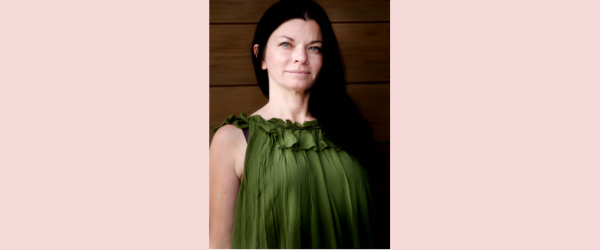
Lisa Happ is a Divorce Coach and Coercive Control Recovery Coach based in Portsmouth, New Hampshire, supporting women navigating the kind of divorce that is difficult to explain but impossible to ignore.
From the outside, everything may appear manageable.
But internally, it’s a different story.
Exhaustion.
Confusion.
Constant second-guessing.
The kind of emotional and psychological strain that comes with high-conflict dynamics and coercive control.
Lisa’s work exists at the intersection of healing and strategy.
Because in these situations, you need both.
You can’t think clearly when your nervous system is overwhelmed.
And you can’t fully heal when you’re being asked to make real-time, high-stakes decisions.
So she helps women do both.
Ground themselves.
Think clearly.
And move forward with intention, not just survival.
Work Born from Lived Experience
Lisa’s work is deeply personal.
It comes from lived experience, not theory.
From navigating profound grief after the loss of her son, and years spent in an abusive relationship with a partner with narcissistic traits.
At the same time, she had built a successful wellness business.
On the outside, it looked like everything was in place.
But internally, she knew something was missing.
Her own healing journey changed everything.
Not quickly.
Not easily.
But it revealed what becomes possible when someone is truly supported.
And just as importantly, it revealed what was missing.
There was a gap.
A lack of support for women navigating high-conflict divorce and psychological abuse.
A system that often didn’t fully understand the dynamics, leaving women and children vulnerable.
Lisa couldn’t ignore that.
So she built the kind of support she wished she had.
Learning to Hold, Not Fix
One of the most challenging parts of building her business wasn’t learning the work.
It was learning how to hold it.
To support women in deeply complex, emotionally charged situations without trying to rescue them.
To be present in the messiness.
The uncertainty.
The moments where everything feels like it’s falling apart.
While also guiding them toward clarity and strategic action.
It required a shift.
From fixing to holding.
From reacting to grounding.
And from carrying it all, to creating space where her clients could begin to carry themselves differently.
At the same time, she was building something that didn’t quite fit into existing categories.
Working alongside therapists and legal professionals, while offering something distinct.
That required trust.
Clarity.
And ongoing education.
Navigating a System That Doesn’t Always See
One of Lisa’s biggest challenges today lies beyond her control.
The gap between what her clients are experiencing and what the legal system is equipped to understand.
High-conflict and coercive dynamics are often subtle.
Psychological.
Not always visible in ways the court recognizes.
And because of that, women can find themselves navigating not just the divorce, but the frustration of being misunderstood within the system meant to support them.
Lisa’s role becomes even more critical in that space.
Helping her clients stay grounded, clear, and strategic while moving through something that can feel invalidating and overwhelming.
But it also extends beyond individual support.
Part of her work is contributing to a larger shift.
Bringing awareness and education to these dynamics so they can be better recognized and addressed.
Working Within the Gap
What holds this work back isn’t a lack of need.
It’s the system itself.
A structure that hasn’t fully evolved to understand the complexity of coercive control and psychological abuse.
And while Lisa can support, guide, and prepare her clients, there are still limitations in the environment they must move through.
That’s the reality.
And it’s also the reason she continues.
Because naming the gap is part of changing it.
Bringing awareness to what isn’t seen.
And creating support where it doesn’t yet fully exist.
At Reignelle, we share the stories of women who are doing the work others can’t always see, creating support in the spaces where it’s most needed and reminding us that even within broken systems, change begins with those willing to name what’s missing.